

Why Zero Waste Offices Are Trending in 2026
Corporate sustainability commitments are no longer limited to manufacturing or supply chains. In 2026, companies are under increasing pressure to align everyday office operations with ESG goals.
Search trends show rising interest in:
-
“How to create a zero waste office”
-
“Plastic-free office ideas”
-
“Sustainable office pantry solutions”
Employees — especially Millennials and Gen Z — expect their workplaces to reflect environmental responsibility.
Where Offices Generate Plastic Waste
Even non-manufacturing companies produce significant plastic waste through:
-
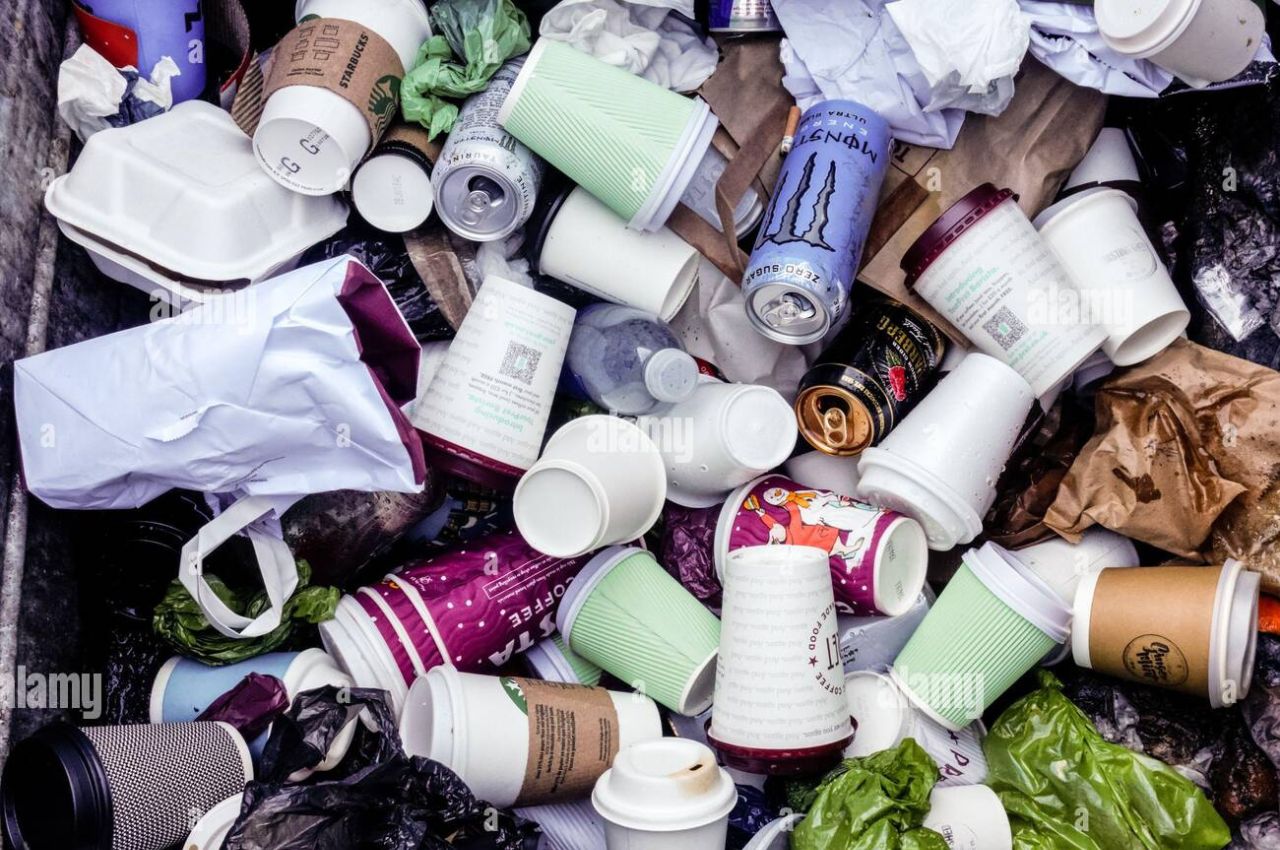
Disposable coffee cups
-
Plastic straws and stirrers
-
Bottled water
-
Single-use takeaway containers
-
Plastic-wrapped pantry snacks
These small daily items accumulate into a major waste footprint.
Step 1: Audit Your Office Plastic Usage
Start by identifying:
-
How many disposable cups are used weekly
-
Whether bottled water is provided
-
What catering supplies are used during meetings
Data helps create measurable reduction targets.
Step 2: Switch to Sustainable Alternatives
Replace Plastic Straws and Stirrers

Opt for compostable sugarcane-based straws for office events and pantry areas.
Encourage Reusable Drinkware
Provide branded tumblers or mugs as onboarding gifts.
Improve Pantry Sustainability
Source snacks in bulk packaging and avoid single-serve plastics.
Step 3: Embed Sustainability into Office Culture
To make long-term change:
-
Communicate sustainability goals internally
-
Provide recycling and compost bins
-
Share monthly progress updates
Search terms like “ESG workplace initiatives 2026” highlight that sustainability is now tied to company reputation.
Business Benefits of a Plastic-Free Workplace
-
Lower long-term waste management costs
-
Stronger employer branding
-
Improved employee engagement
-
Better ESG reporting metrics
In competitive talent markets, sustainability culture can influence recruitment decisions.
Final Thoughts
A zero waste office in 2026 is not about perfection — it’s about progress.
By reducing single-use plastics and adopting compostable alternatives, companies demonstrate authentic commitment to environmental responsibility while strengthening brand trust.