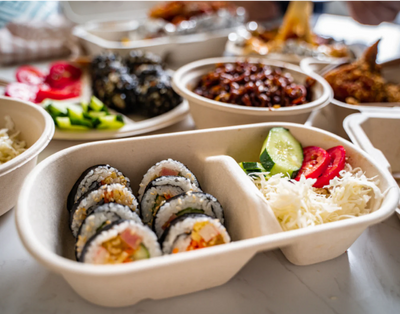

Tourism and Plastic Waste: A Growing Concern
As international travel rebounds, sustainability has become a key factor influencing booking decisions.
Search trends in 2026 show growing interest in:
-
“Eco-friendly hotels”
-
“Sustainable resorts Asia”
-
“Plastic-free café near me”
Travelers increasingly choose accommodations that align with their environmental values.
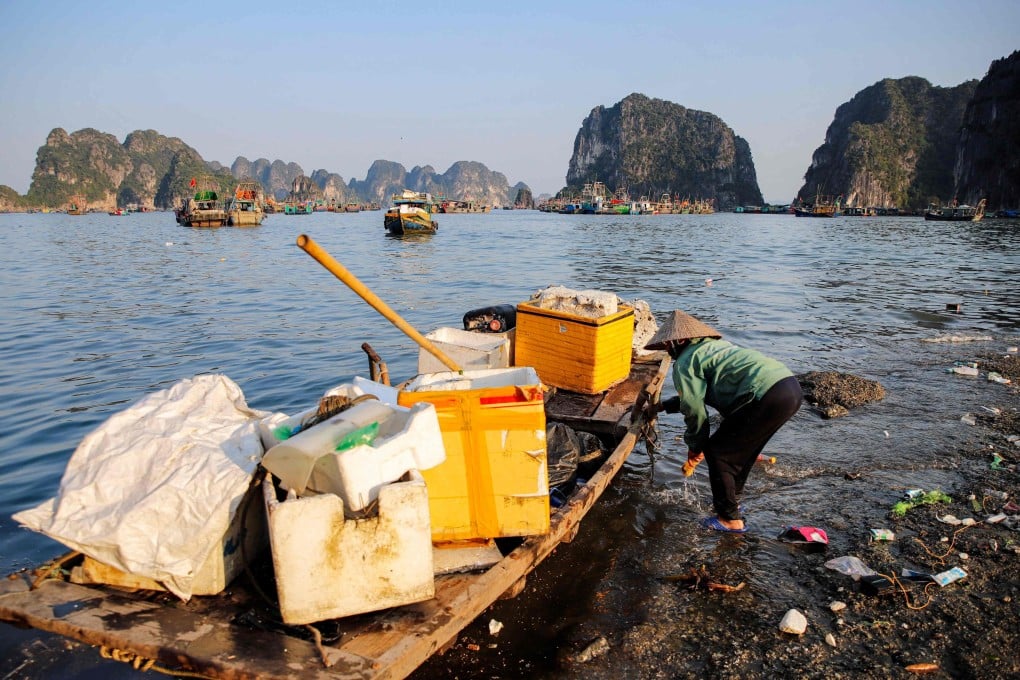
The Hidden Plastic Problem in Hospitality
Hotels and cafés generate plastic waste through:
-
Disposable straws and stirrers
-
Miniature plastic toiletries
-
Bottled water
-
Takeaway packaging
-
Event catering supplies
In high-traffic destinations, this waste can overwhelm local waste systems.
Plastic Bans Impacting Hospitality in 2026
Many countries have introduced or expanded bans on:
-
Plastic straws
-
Single-use cutlery
-
Foam containers
Hospitality businesses that fail to adapt risk fines and negative publicity.
Sustainable Alternatives for Hotels and Cafés
Compostable Sugarcane Straws
Ideal for:
-
Poolside bars
-
Beach resorts
-
Coffee shops
Refillable Toiletry Systems
Reduces miniature plastic waste.
Plastic-Free Catering Supplies
Use plant-fiber utensils and compostable tableware for events and buffets.
Sustainability as Competitive Advantage
Eco-conscious travelers often:
-
Leave positive reviews highlighting sustainability
-
Share sustainable experiences on social media
-
Recommend environmentally responsible brands
Integrating plastic-free practices strengthens brand positioning.
Marketing Sustainable Tourism in 2026
Hotels and cafés can optimize their websites with keywords like:
-
“Plastic-free resort”
-
“Zero waste hotel Asia”
-
“Sustainable café supplies wholesale”
This improves visibility among eco-minded travelers.
Final Thoughts
Sustainable tourism in 2026 is no longer optional — it is expected.
Hotels and cafés that eliminate single-use plastics can reduce environmental impact while strengthening guest loyalty and long-term profitability.