
The way we produce and consume products is changing.
For decades, most industries have operated under a simple model: take resources, make products, use them, and throw them away.
While this approach has fuelled economic growth, it has also contributed to resource depletion, waste generation, and environmental challenges on a global scale.
As businesses seek more sustainable ways to operate, the concept of a circular economy has emerged as one of the most important frameworks for the future.
But what exactly is a circular economy, and why should businesses care?
This guide explains the fundamentals of the circular economy, its benefits, and practical ways organisations can begin implementing circular principles today.
What Is a Circular Economy?
A circular economy is an economic system designed to minimise waste and maximise the use of resources.
Instead of following the traditional "take, make, waste" model, a circular economy aims to keep materials and products in use for as long as possible through strategies such as:
-
Reuse
-
Repair
-
Refurbishment
-
Recycling
-
Regeneration
The goal is to create a system where waste is designed out from the beginning.
In nature, there is no waste. Every output becomes an input for another process.
The circular economy applies this same principle to products, materials, and business systems.
Linear Economy vs Circular Economy
Linear Economy
The traditional linear model follows this pattern:
Extract → Produce → Consume → Dispose
Examples include:
-
Single-use plastics
-
Disposable packaging
-
Fast fashion
-
Products designed for short lifespans
Once a product reaches the end of its use, it is discarded.
Circular Economy
The circular model follows a different approach:
Design → Use → Recover → Reuse
Materials remain in circulation for as long as possible.
Examples include:
-
Refillable packaging
-
Reusable products
-
Recycled materials
-
Repairable products
-
Products made from waste streams
Rather than creating waste, businesses aim to preserve the value of resources.
Why Is the Circular Economy Important?
The world generates billions of tonnes of waste annually.
At the same time, demand for natural resources continues to grow.
This creates several challenges:
Resource Scarcity
Many raw materials are becoming increasingly expensive and difficult to obtain.
Waste Management
Landfills continue to expand, while recycling systems struggle to keep pace with consumption.
Climate Change
Extracting, manufacturing, and disposing of products contribute significantly to greenhouse gas emissions.
Consumer Expectations
Customers increasingly expect businesses to reduce environmental impact and demonstrate responsible practices.
The circular economy addresses these challenges by reducing waste and making better use of existing resources.
The Three Core Principles of a Circular Economy
According to widely accepted circular economy frameworks, there are three key principles.
1. Eliminate Waste and Pollution
Waste should not be treated as an inevitable outcome.
Instead, products should be designed to minimise waste from the start.
Examples include:
-
Reducing unnecessary packaging
-
Using recyclable materials
-
Designing durable products
2. Keep Products and Materials in Use
Products should remain valuable for as long as possible.
This can be achieved through:
-
Reuse
-
Repair
-
Refurbishment
-
Remanufacturing
-
Recycling
The longer materials remain in circulation, the greater their value.
3. Regenerate Natural Systems
Businesses should not only reduce harm but actively contribute to environmental restoration.
Examples include:
-
Compostable materials
-
Regenerative agriculture
-
Responsible sourcing
-
Reforestation programmes
This principle moves beyond sustainability toward positive environmental impact.
Real-World Examples of Circular Economy
Circular economy principles are already being applied across multiple industries.
Agriculture
Agricultural waste can be transformed into useful products.
Examples include:
-
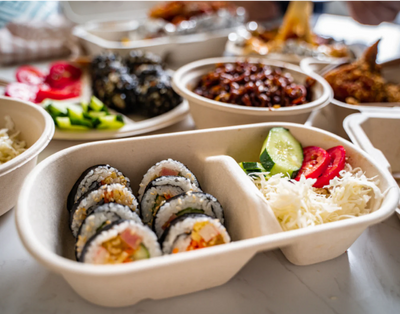
Sugarcane bagasse used for food packaging
-
Coffee grounds used in consumer products
-
Rice husks used in manufacturing
These materials would otherwise be discarded.
Packaging
Many companies are introducing:
-
Refillable containers
-
Reusable packaging
-
Packaging made from recycled materials
This reduces demand for virgin resources.
Fashion
Some brands now offer:
-
Repair services
-
Clothing resale programmes
-
Garment recycling initiatives
The objective is to extend product life and reduce waste.
Consumer Products
Businesses are increasingly designing products for durability, repairability, and recyclability.
This helps maintain material value for longer periods.
Circular Economy in Action: Turning Waste Into Resources
One of the easiest ways to understand circular economy principles is through material transformation.
Consider agricultural by-products.
Traditionally, materials such as coffee grounds and sugarcane bagasse may have been treated as waste.
Under a circular model, these materials can be repurposed into useful products such as:
-
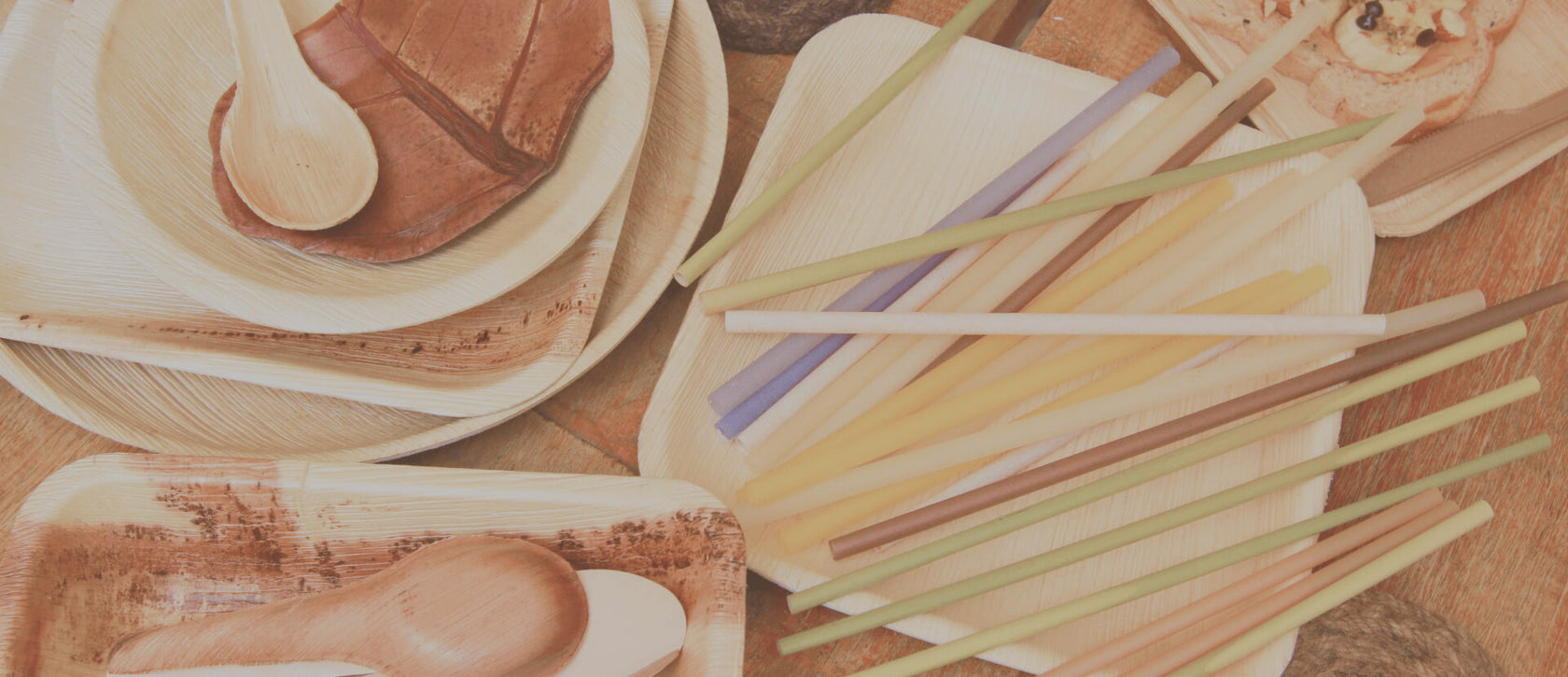
Coffee straws
-
Sugarcane straws
-
Packaging materials
-
Consumer goods
This creates additional value while reducing waste generation.
The result is a more efficient use of resources throughout the supply chain.
Business Benefits of Circular Economy Practices
Circular economy strategies are not only beneficial for the environment.
They can also deliver measurable business advantages.
Cost Savings
Reducing waste often leads to lower material and disposal costs.
Improved Brand Reputation
Consumers increasingly support brands that demonstrate environmental responsibility.
Innovation Opportunities
Circular thinking encourages businesses to rethink products, materials, and services.
Competitive Advantage
Organisations that adopt sustainable practices early often gain market differentiation.
Regulatory Readiness
Governments around the world are introducing stricter environmental regulations.
Circular business models help organisations stay ahead of compliance requirements.
How Businesses Can Start Adopting Circular Practices
Transitioning to a circular economy does not happen overnight.
However, businesses can begin with small, practical steps.
Evaluate Waste Streams
Identify materials that are currently discarded.
Can they be reduced, reused, or repurposed?
Review Product Design
Consider durability, recyclability, and material choices.
Reduce Single-Use Items
Explore reusable alternatives wherever possible.
Choose Circular Suppliers
Work with suppliers who prioritise recycled, renewable, or recovered materials.
Educate Employees
Internal awareness is essential for successful implementation.
Small changes across teams can collectively create significant impact.
Common Misconceptions About Circular Economy
"It's Just Recycling"
Recycling is important, but it is only one component of a circular economy.
The goal is to eliminate waste before it occurs.
"It's Only for Large Companies"
Businesses of all sizes can adopt circular practices.
Many improvements begin with simple operational changes.
"It's Too Expensive"
While some initiatives require investment, many circular strategies reduce costs over time through improved resource efficiency.
The Future of Circular Business
The circular economy is no longer a niche concept.
It is becoming a key part of corporate sustainability strategies, ESG reporting, product innovation, and consumer expectations.
Businesses that embrace circular principles today are better positioned to navigate future environmental challenges, resource constraints, and market demands.
The question is no longer whether companies should adopt circular practices.
The question is how quickly they can begin.
Final Thoughts
A circular economy challenges the traditional idea that products have a single life cycle.
Instead, it encourages businesses to see value where others see waste.
By designing out waste, extending product lifespans, and regenerating natural systems, organisations can reduce environmental impact while creating new business opportunities.
Whether through recycled materials, reusable products, or innovative approaches to waste reduction, every step towards circularity contributes to a more resilient and sustainable future.
How EQUO Supports Circular Economy Principles
At EQUO, we believe waste can become a valuable resource. That's why we develop products made from agricultural by-products such as coffee grounds and sugarcane bagasse, transforming materials that might otherwise be discarded into practical alternatives for everyday use.
By choosing products designed with circular principles in mind, businesses can take a simple but meaningful step towards reducing waste and supporting a more sustainable future.