
Every day, millions of cups of coffee are consumed around the world.
For most people, the story ends when the last sip is taken.
But what happens to the coffee grounds left behind?
Traditionally, used coffee grounds have been treated as waste. Cafés, restaurants, offices, and households discard tonnes of coffee residue every year, much of which ends up in landfills.
Today, however, a growing number of businesses are rethinking this approach.
Instead of seeing coffee grounds as waste, they are seeing them as a resource.
From sustainable consumer products to innovative building materials, used coffee grounds are finding a second life through circular economy practices and material innovation.
In this article, we'll explore how coffee waste is being transformed into useful products and why coffee grounds are becoming an increasingly important material in sustainable design.
The Global Coffee Waste Problem
Coffee is one of the world's most consumed beverages.
According to industry estimates, billions of kilograms of coffee grounds are generated globally each year.
While coffee grounds are organic, disposing of them in landfills still creates environmental challenges.
When organic waste decomposes in landfill conditions, it can release methane, a greenhouse gas significantly more potent than carbon dioxide.
In addition to emissions, valuable resources are lost when materials are discarded instead of reused.
This is where circular economy thinking becomes important.
Rather than treating coffee grounds as the end of a process, businesses are finding ways to transform them into new products.
Why Coffee Grounds Are Valuable
At first glance, coffee grounds may seem like an unlikely material for manufacturing.
However, they possess several characteristics that make them surprisingly useful.
Coffee grounds are:
-
Abundant
-
Renewable
-
Lightweight
-
Naturally textured
-
Rich in organic compounds
Because coffee is consumed worldwide, coffee waste is generated consistently and in large quantities.
This makes it an attractive feedstock for sustainable product development.
For companies looking to reduce dependence on virgin materials, coffee grounds offer a promising alternative.
The Rise of Upcycled Materials
Upcycling has become one of the most exciting trends in sustainable product design.
Unlike traditional recycling, which often involves breaking materials down before remanufacturing them, upcycling focuses on creating products with equal or greater value from existing materials.
Coffee grounds are an ideal candidate for this approach.
Instead of being discarded, they can be incorporated into new products that extend the usefulness of the material.
This helps:
-
Reduce waste
-
Lower resource consumption
-
Create innovative products
-
Support circular economy principles
Common Products Made from Coffee Grounds
Innovation around coffee waste has expanded significantly in recent years.
Today, coffee grounds are used across a wide range of industries.
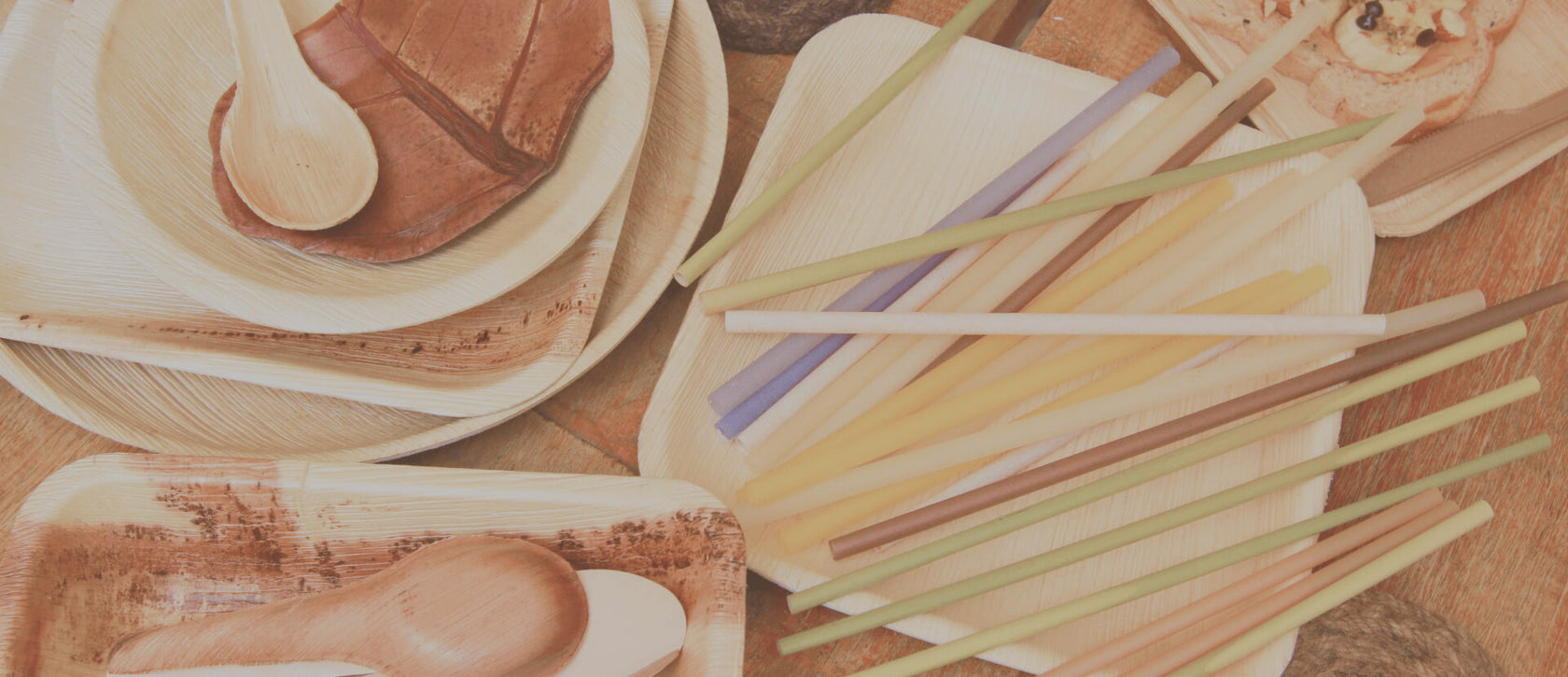
1. Coffee Straws
One of the most practical applications is the production of coffee-based straws.
By incorporating recovered coffee grounds into the manufacturing process, businesses can create durable straws with a distinctive natural appearance.

Benefits include:
-
Reduced reliance on virgin materials
-
Unique visual appeal
-
Circular economy storytelling
-
Sustainable brand positioning
For cafés, restaurants, and hospitality businesses, coffee straws offer a way to align sustainability efforts with everyday customer experiences.
2. Reusable Cups and Drinkware
Coffee grounds are increasingly used in reusable drinkware.
The material can be blended with other components to create cups, tumblers, and beverage accessories.

Many consumers are attracted to the unique texture and appearance that coffee grounds provide.
The result is a product with both environmental and aesthetic appeal.
3. Furniture and Home Goods
Designers have experimented with coffee grounds in the production of:
-
Furniture
-
Decorative items
-
Home accessories
-
Interior products
These applications demonstrate how waste materials can be transformed into premium consumer goods.
4. Packaging Materials
Some companies are exploring coffee waste as a component in sustainable packaging solutions.
As businesses seek alternatives to conventional packaging materials, agricultural by-products like coffee grounds are gaining attention.
5. Construction Materials
Researchers have also investigated ways to incorporate coffee grounds into construction materials.

While still an emerging field, these innovations highlight the versatility of coffee waste beyond consumer products.
Coffee Grounds and the Circular Economy
The growing use of coffee grounds illustrates one of the core principles of a circular economy: keeping materials in use for as long as possible.
In a traditional linear model:
Coffee → Consumption → Waste
In a circular model:
Coffee → Consumption → Recovery → New Product
This shift creates additional value from resources that would otherwise be discarded.
By extending the life cycle of materials, businesses can reduce waste while creating innovative products that appeal to environmentally conscious consumers.
Why Consumers Are Interested in Upcycled Products
Consumer expectations are changing.
Many people want to understand not only what products are made from, but also where materials come from and how products are produced.
Upcycled products offer a compelling story.
They demonstrate:
-
Resource efficiency
-
Waste reduction
-
Innovation
-
Environmental responsibility
For brands, this creates opportunities to connect with customers through meaningful sustainability narratives.
A coffee straw, for example, is more than just a drinking accessory.
It represents a visible example of waste being transformed into something useful.
Business Benefits of Using Coffee Waste Materials
Businesses that incorporate coffee-derived materials can benefit in several ways.
Sustainability Differentiation
Products made from recovered materials help brands stand out in increasingly competitive markets.
Stronger Environmental Messaging
Coffee waste products provide a tangible example of circular economy principles in action.
Consumer Engagement
Customers are often curious about innovative materials and sustainability stories.
Reduced Dependence on Virgin Resources
Using recovered materials can support broader resource efficiency goals.
ESG and Sustainability Reporting
Circular products contribute to environmental initiatives that many organisations now track and report.
Challenges and Considerations
While coffee ground products offer significant potential, there are also challenges.
These include:
Collection
Coffee grounds must be collected efficiently from cafés, offices, and other sources.
Processing
The material often requires cleaning, drying, and preparation before manufacturing.
Scalability
As demand grows, supply chain systems must evolve to support larger production volumes.
Despite these challenges, continued innovation is making coffee waste increasingly viable as a manufacturing resource.
The Future of Coffee Ground Products
As businesses seek alternatives to resource-intensive materials, coffee grounds are likely to play a growing role in sustainable product development.
Several trends support this growth:
-
Rising consumer interest in sustainability
-
Increased focus on circular economy models
-
Corporate waste reduction targets
-
Innovation in material science
-
Greater demand for environmentally responsible products
What was once considered waste is becoming a valuable raw material.
This shift reflects a broader movement towards designing products and systems that maximise resource value and minimise waste.
Final Thoughts
Every cup of coffee leaves something behind.
For years, that leftover material was largely ignored.
Today, businesses around the world are demonstrating that coffee grounds can be transformed into products that are functional, attractive, and environmentally responsible.
From coffee straws and drinkware to packaging and consumer goods, coffee waste is helping redefine what sustainability can look like in practice.
The story of coffee grounds is ultimately a reminder that waste is often a matter of perspective.
When businesses begin to see discarded materials as opportunities rather than problems, innovation follows.
Coffee Waste Meets Everyday Use
At EQUO, we believe valuable materials deserve a second life. That's why coffee grounds can be incorporated into products such as coffee straws, helping transform agricultural and food waste into practical alternatives for businesses seeking more sustainable solutions.
Small material choices can contribute to a much larger shift towards a circular economy.