
Why World Wetlands Day Matters in 2026
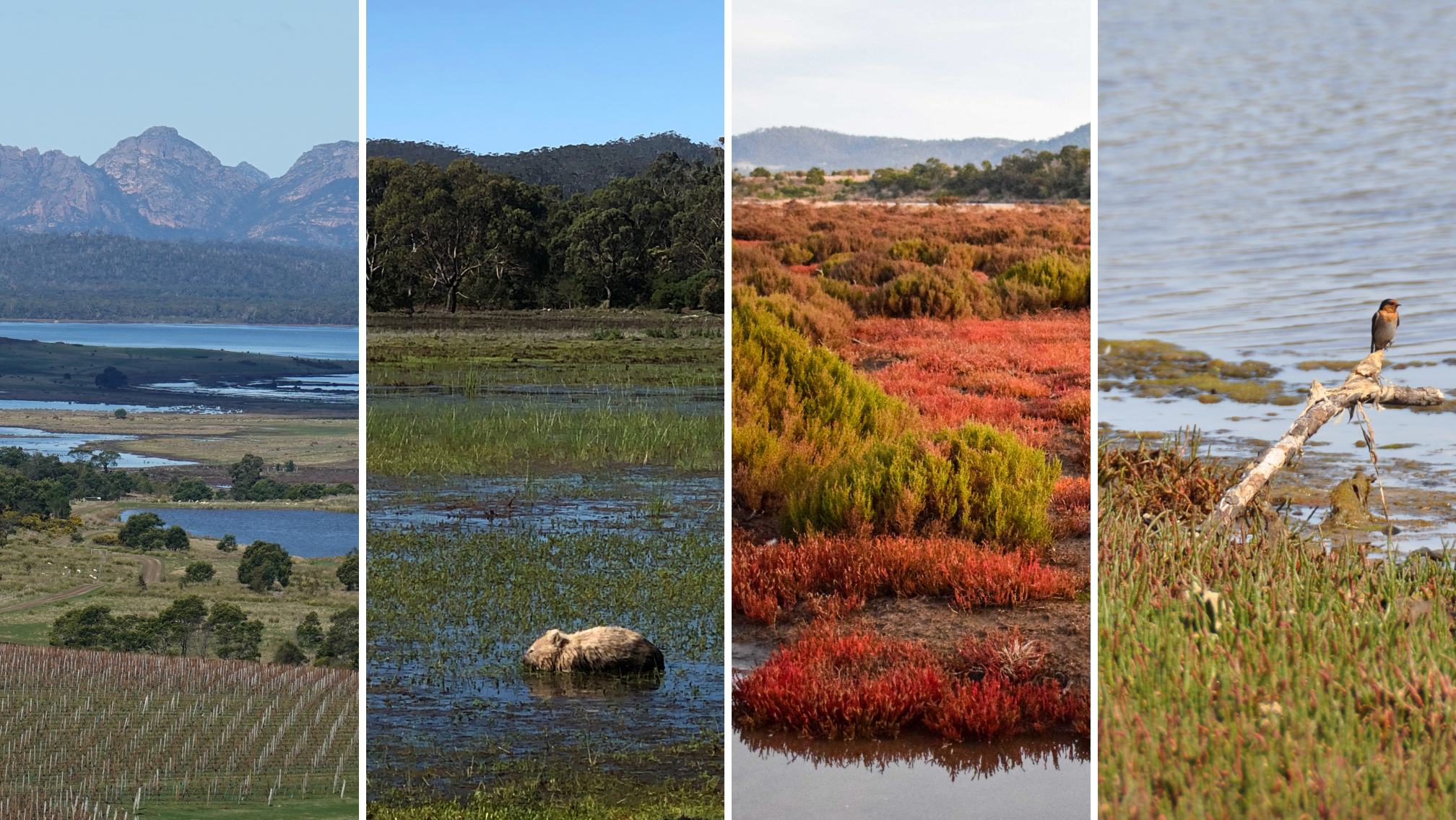
Observed annually on February 2, World Wetlands Day 2026 draws attention to the critical role wetlands play in biodiversity, flood control, and carbon storage.
However, wetlands and coastal ecosystems remain highly vulnerable to plastic pollution.
Plastic waste from urban areas and food service businesses often travels through rivers into oceans — damaging mangroves, coral reefs, and marine life.

The Plastic-Ocean Connection
Studies continue to show:
-
Millions of tons of plastic enter oceans annually
-
Microplastics contaminate marine food chains
-
Coastal tourism suffers from visible pollution
Single-use plastics — especially straws, sachets, and food packaging — are common contributors.
Why F&B Businesses Play a Role
Restaurants, cafés, and takeaway chains generate significant disposable waste. During peak tourism seasons, this increases dramatically.
Search terms trending in 2026 include:
-
“Plastic-free beach café”
-
“Sustainable hospitality supplies”
-
“Compostable straws for resorts”
This reflects rising environmental expectations from travelers.
Sustainable Alternatives That Reduce Marine Impact
1. Sugarcane-Based Straws
Made from agricultural byproducts rather than petroleum-based plastic.
2. Plant-Fiber Utensils
Reduce reliance on fossil-fuel plastics.
3. Plastic-Free Event Supplies
For coastal events and festivals, compostable solutions lower environmental footprint.
Environmental Responsibility as Brand Strategy
Businesses located near coastlines can integrate World Wetlands Day into marketing campaigns:
-
Promote plastic-free initiatives
-
Partner with local beach cleanups
-
Highlight sustainable sourcing
Consumers increasingly support brands that demonstrate environmental accountability.
The Business Case for Reducing Plastic Waste
Beyond environmental impact, reducing plastic waste can:
-
Improve brand perception
-
Attract eco-conscious tourists
-
Prepare for stricter waste regulations
As plastic bans tighten globally, proactive adaptation reduces future compliance costs.
Final Thoughts
World Wetlands Day 2026 is a reminder that plastic pollution is not just a waste problem — it is an ecosystem crisis.
Businesses that switch to compostable, plant-based alternatives contribute to protecting wetlands and coastal environments while strengthening their sustainability credentials.