
The "Green Premium" Myth
We’ve all seen it: the $15 artisanal soap, the $40 organic cotton t-shirt, the "luxury" eco-retreats. It’s given rise to a frustrating myth that living sustainably is a hobby for the wealthy—a "luxury" that most of us can’t afford while juggling rent, groceries, and a 2026 cost-of-living crisis.
But I’m going to let you in on a secret: True sustainability is the ultimate budget hack.
In fact, the original "eco-warriors" were our grandparents. They didn't call it "zero waste"—they called it "being thrifty." They mended their clothes, they used every scrap of food, and they didn't buy things designed to be thrown away in five minutes. As we navigate the start of 2026, it’s time to reclaim that mindset.
If you’re looking to heal your bank account and the planet at the same time, these five habits are your golden ticket. Let’s break down the math on how "going green" can save you hundreds (or even thousands) of dollars this year.
1. The "Once and For All" Purchase (The Power of Reusables)
We often look at the price tag of a reusable item and think, "Why would I pay $15 for a water bottle when a plastic one is $1.50?" Let’s do the 2026 math. The average person buys roughly 150 plastic water bottles a year. At an average price of $2.00 per bottle, that’s $300 a year literally being tossed into the recycling bin. A high-quality stainless steel bottle is a one-time $25 investment. You’ve "earned" your money back by February, and by the end of the year, you’ve saved enough for a weekend getaway.
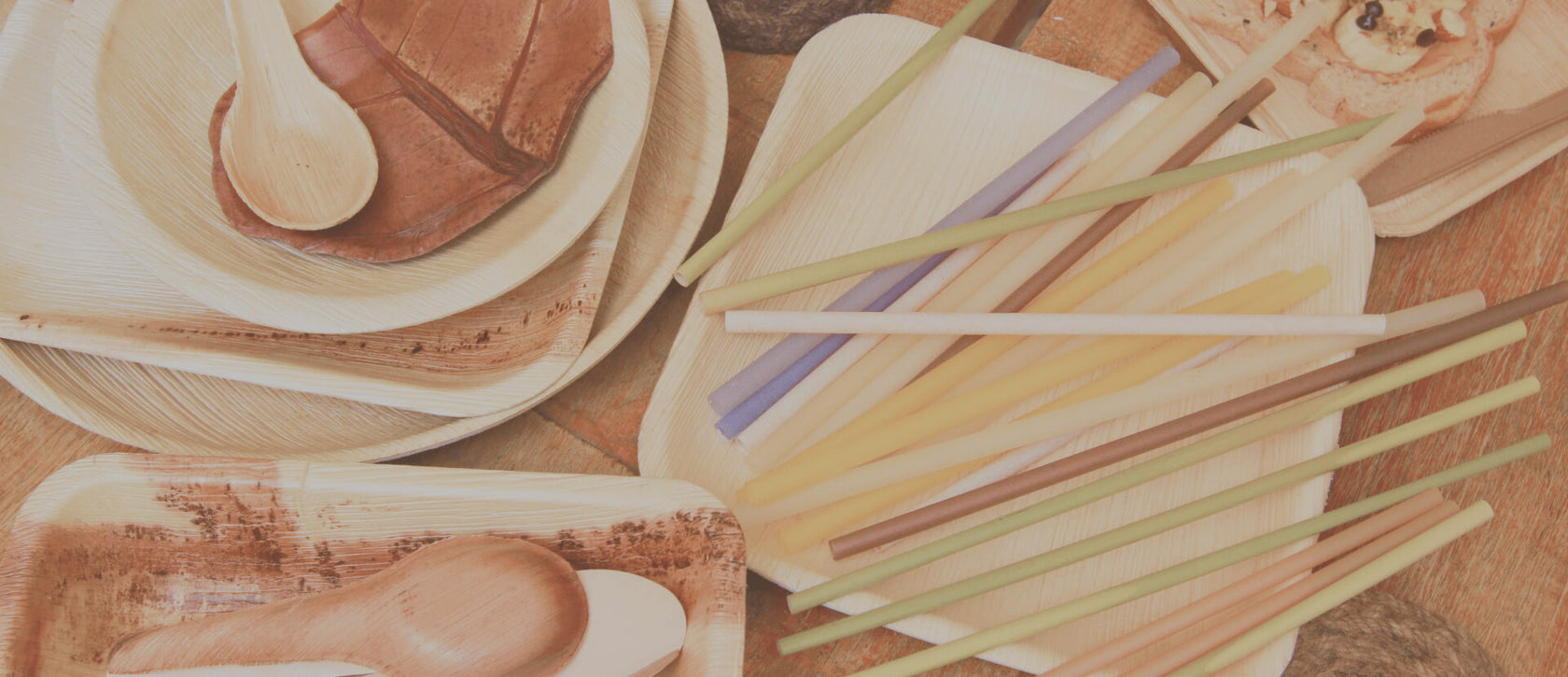
The same applies to EQUO Coffee Utensils. While they are compostable (perfect for when you're out and about), many people find they can hand-wash and reuse them several times for home lunches thanks to their incredible durability. When you stop buying "single-use" everything, your "Miscellaneous" spending category on your banking app starts to shrink.
2. Bulk Buying & The "Ugly" Produce Hack
Packaging isn't just bad for the earth; it’s a hidden tax. When you buy a pre-packaged bag of three bell peppers wrapped in plastic, you are paying for the plastic, the labor to wrap it, and the branding.
-
The Habit: Switch to the bulk bins for staples like rice, beans, pasta, and nuts. Use your own jars or EQUO canvas totes. On average, bulk goods are 20–30% cheaper than their boxed counterparts.
-
The "Ugly" Win: Many grocery stores in 2026 now have a "misfit" section for produce that is perfectly healthy but shaped a bit weird. These are usually marked down by 50%. Your smoothie won't care if the banana was slightly curved the "wrong" way, but your wallet will.
3. Energy "Vampires" and the Smart Home Reset
We are living in the age of the "Smart Home," but many of us are still letting money leak out of our outlets. "Phantom loads"—the energy used by electronics while they are plugged in but turned off—can account for up to 10% of your monthly utility bill.
The Habit: Use smart power strips that cut power to devices when they aren't in use. Switch to LED bulbs (which use 80% less energy). These small "set it and forget it" changes can save a typical household $200+ a year in energy costs. It’s the easiest "passive income" you’ll ever make.
4. The 24-Hour "Cooling Off" Rule
Sustainability is the enemy of the "impulse buy." Most of the plastic clutter in our homes comes from those late-night scrolls where we buy things we don't actually need.
The Habit: Before you hit "Buy Now" on that plastic gadget, wait 24 hours. Ask yourself: "Where will this be in a year?" Usually, the urge passes. By reducing your consumption, you aren't just saving the resources used to make the product; you are keeping your hard-earned cash in your high-yield savings account.
5. DIY Cleaning: The "Vinegar & Lemon" Revolution
The cleaning aisle is a graveyard of plastic bottles, each one promising to clean a slightly different surface. Most of them are 90% water and 10% harsh chemicals.
The Habit: You can clean almost 90% of your home with white vinegar, baking soda, and lemon.
-
Cost of a name-brand all-purpose cleaner: $6.00
-
Cost of a DIY vinegar/water mix: ~ $0.50
If you switch your glass cleaner, floor cleaner, and scrub to DIY versions, you’ll save $100+ annually and keep toxic microplastics out of your home’s air.
The Long-Game: ROI of a Greener Life
When you choose a brand like EQUO, you’re often paying a few cents more per unit than the cheapest, flimsiest plastic. But look at the bigger picture: you’re avoiding the "hidden costs." You’re avoiding the cost of waste management, the potential health costs of chemical leaching, and the emotional cost of contributing to a crisis.
In 2026, being "rich" isn't about how much you can buy; it’s about how little you need to buy to live a high-quality life. Start small. Pick one habit this month. Watch your "Daily Spend" go down and your "Impact Score" go up.