
The Ghost of Christmas Future (is made of Plastic)
There’s a specific kind of magic that settles over us in December. The lights are twinkling, the air feels crisp (or tropical, depending on where you are!), and there’s an unspoken permission to indulge. We buy a little more, we eat a little more, and unfortunately, we waste a lot more.
Growing up, I never really thought about what happened to the shiny red ribbon from my presents or the "snow" sprayed on the windows. It was just part of the aesthetic. But as we navigate the start of 2026, the "curtain" has been pulled back. We can no longer ignore the fact that the two weeks of holiday cheer leave a footprint that lasts for centuries.
I’m not here to be a "Grinch." I love the holidays. But I believe that true joy doesn't require a landfill. To help us shift our perspective, I’ve gathered five of the most sobering statistics about holiday waste as we head into 2026. Let’s look at the numbers—and then let’s look at how we can fix them.
1. The 25% Trash Spike
According to data updated for 2025-2026, household waste in many regions increases by 25% between Thanksgiving and New Year’s Day. That’s an extra million tons of garbage per week being sent to landfills.
Think about that for a second. We spend all year trying to remember our reusable grocery bags and sorting our recycling, only to throw a quarter of that progress away in a single month. This spike comes from a "perfect storm" of excess: shipping boxes, non-recyclable gift wrap, and single-use party supplies.
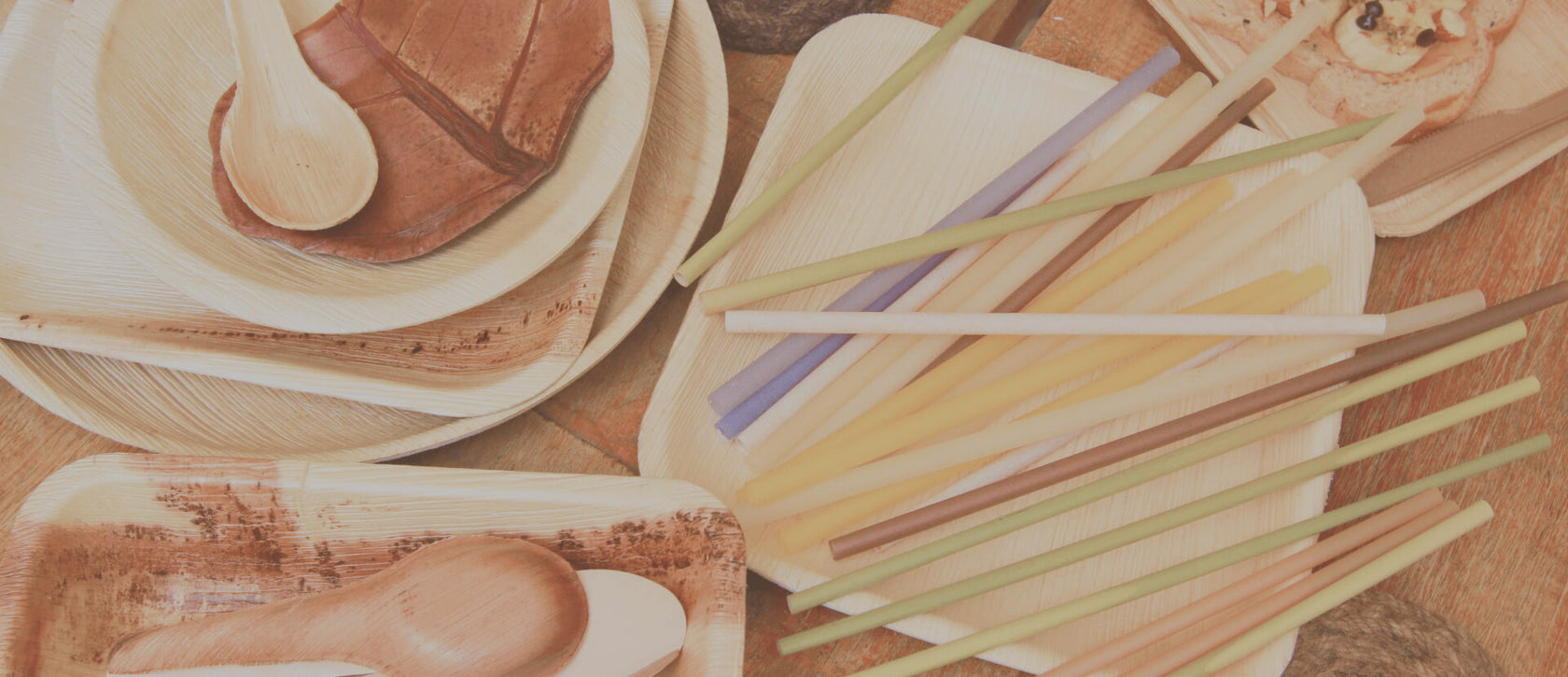
The Fix: This year, make it a game. Challenge yourself to see if your "black bin" (the trash) can stay the same size as it does in July. Use what you have, and if you're hosting, choose compostable materials like EQUO Rice Straws that won't add to that 25% surge.
2. The 2.6 Billion Pound Wrapping Paper Problem
In the U.S. alone, an estimated 2.6 billion pounds of wrapping paper are thrown away each year. If we were to take just the ribbon used during the holidays, it could wrap around the entire Earth enough times to tie a bow on the planet.
Here is the "dirty secret" of the wrapping industry: most of that shiny, glittery, or foil-embossed paper cannot be recycled. It’s coated in a thin layer of plastic (polyethylene) or loaded with microplastic glitter that contaminates entire batches of paper recycling.
The Fix: If it’s shiny or has glitter, it’s likely trash. Switch to brown kraft paper, old maps, or—my favorite—Furoshiki, the Japanese art of wrapping gifts in fabric. It looks incredibly elegant and the "paper" becomes part of the gift!
3. The 33 Million Microplastic "Party Poppers"
A 2025 study highlighted by National Geographic recently revealed a startling fact: popping just 100 balloons can release up to 33 million microplastics into the air and surrounding environment.
When we think of "plastic pollution," we often think of big water bottles. But "seasonal pulses" of pollution—the glitter, the fake snow, the cheap plastic ornaments, and the balloons—are actually more dangerous because they are designed to be small and easily dispersed. They enter our lungs, our soil, and our water systems before the party is even over.
The Fix: Choose "slow" decor. Dried orange slices, cinnamon sticks, and evergreen branches aren't just plastic-free; they make your home smell like a winter wonderland.
4. The 114,000-Ton Plastic Packaging Surge
During the festive period, online shopping hits an all-time high. It’s estimated that the surge in "last-mile" delivery leads to over 114,000 tonnes of plastic packaging being sent to landfills rather than being recycled. Between the plastic "air pillows" in your Amazon box and the individual plastic wrap on every small toy, the volume is staggering.
The Fix: Shop local whenever possible to skip the shipping waste. When you do shop online, look for brands like EQUO that prioritize plastic-free shipping and minimalist packaging. Every box you don't have to peel plastic tape off of is a win.
5. The "Soggy Legacy" of 500 Million Straws
While some cities have banned them, the holidays see a massive return of the plastic straw in "to-go" peppermint mochas and holiday cocktails. Globally, we are still struggling with the 500 million straws used daily, a number that stays stubbornly high during the party season.
Because straws are so small and light, they are rarely recycled. They fall through the cracks of recycling machinery and head straight for the ocean.
The Fix: Carry your own! Tuck an EQUO Grass Straw into your bag. It’s light, it’s sturdy, and it’s a great way to start a conversation with the barista or bartender about why you're making the switch.
Turning the Tide for 2026
I know these numbers can feel heavy. It’s easy to look at a billion pounds of paper and think, "What does my one roll of brown paper matter?" But here’s what I’ve learned: Sustainability is contagious. When your niece sees you wrapping gifts in fabric, she learns that "new" doesn't have to mean "plastic." When your dinner guests use a coffee-ground fork and realize it’s actually nicer than the plastic ones, their perception of "disposable" changes forever.
We aren't just changing our habits; we are changing the culture. This year, let’s make sure the only thing we leave behind are the memories.
Want to be part of the solution? Check out our "Host with Impact" kit and replace the most common holiday plastics with 100% compostable, plant-based alternatives.