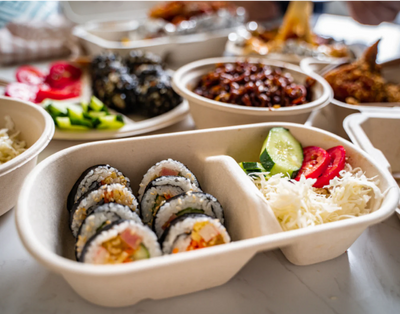

The music has stopped. The last guest has Ubered home. You are standing in your kitchen, looking at a scene that can only be described as "post-festive carnage."
There are half-eaten appetizers, crumpled napkins, and a scatter of straws and forks. In the old days (aka 2020), you would have grabbed a giant black trash bag and shoveled it all in, sending it off to a landfill to mummify for the next thousand years.
But this is December 2025. We know better. We want to do better.
The problem? Composting can feel incredibly intimidating. There are rules about "Greens" and "Browns." There are scary words like "methane" and "aeration." And then there is the confusing labeling on packaging: Biodegradable? Compostable? Degradable? It sounds like a vocabulary test you didn't study for.
Take a deep breath. We are going to simplify the post-party cleanup. If you hosted with EQUO products, you are already 90% of the way there.
The Great Debate: Biodegradable vs. Compostable
First, let’s clear up the biggest lie in marketing. These two words are used interchangeably, but they are not the same thing.
-
Biodegradable: This is a vague term. It just means "eventually, this might break down." Technically, a plastic toy is biodegradable if you wait 500 years. "Biodegradable" products often leave behind toxic residue or microplastics. It’s the "trust me, bro" of eco-labels.
-
Compostable: This is the gold standard. It means the item will break down into nutrient-rich soil (humus) within a specific timeframe (usually 90-180 days) under the right conditions. It leaves zero toxicity behind. It literally becomes food for plants.

The Rule of Thumb: If you can't imagine a worm eating it, be skeptical.
The "One-Bin" Cleanup Strategy
The beauty of hosting a zero-waste party is the speed of cleanup. If you used plastic plates and forks, you have to scrape the food into the trash (gross), rinse the recyclables (tedious), and trash the cutlery (wasteful).
If you used EQUO products, you can use the One-Bin Strategy.
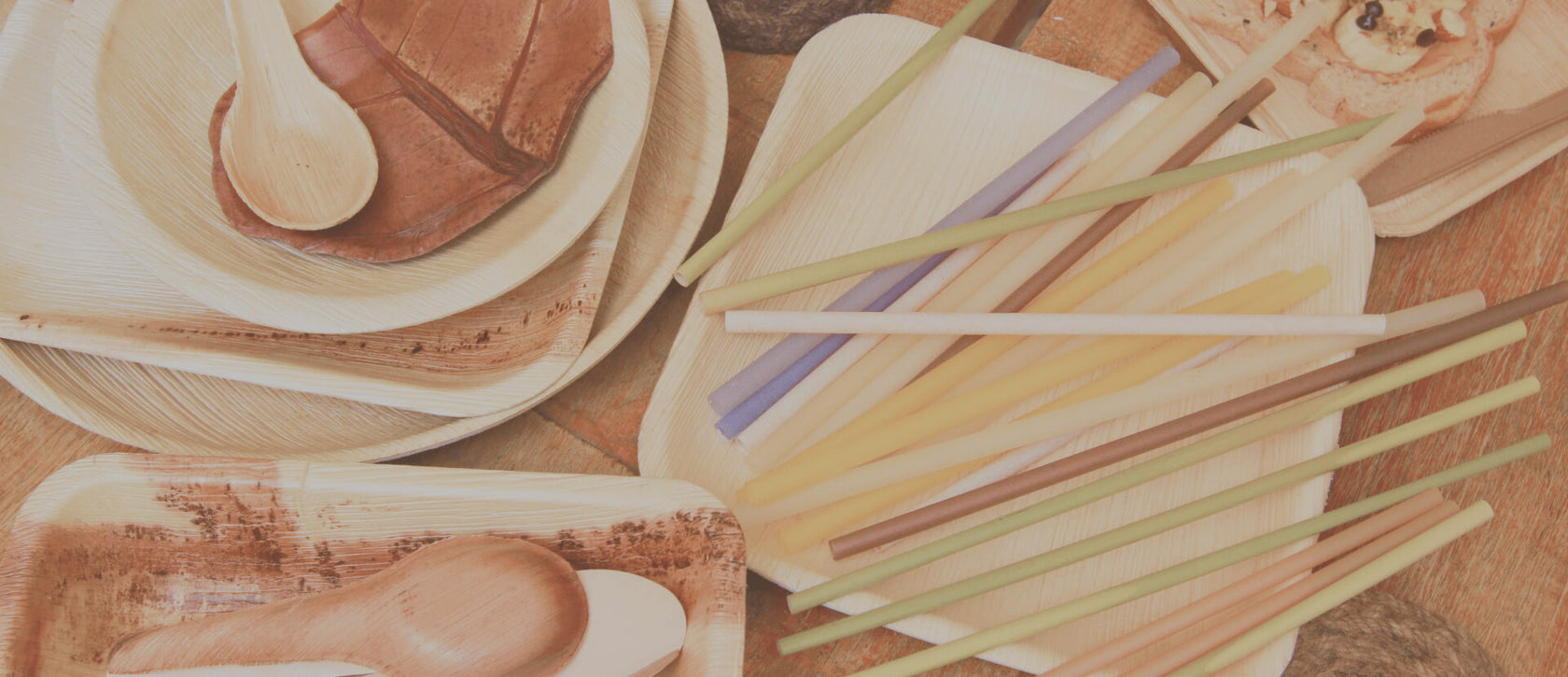
Because EQUO straws, utensils, and sugarcane plates are made from plants (grass, wood, sugar pulp, coffee), they are organic matter. They belong in the same place as the leftover spinach dip and the stale cake.
-
Grab your compost bin. (Or a large bowl if you’re taking it to a community hub).
-
Sweep everything in. The cake crumbs? In. The dirty paper napkin? In. The EQUO sugarcane plate? In. The grass straw? In.
-
There is no Step 3. You’re done.
Composting at Home: The "Browns" and "Greens"
If you have a backyard pile or a tumble composter, here is how to handle your party waste so it doesn't turn into a smelly sludge.
Compost needs a balance of Nitrogen (Greens) and Carbon (Browns).
-
Greens (Wet/Nitrogen): Food scraps, vegetable peelings, coffee grounds.
-
Browns (Dry/Carbon): Dried leaves, cardboard, paper, sawdust, wood.
Your party leftovers are mostly "Greens" (food). Your EQUO tableware acts as the "Browns."
-
Straws: Grass and Rice straws break down incredibly fast. They are like dried leaves.
-
Utensils: Wood and Bamboo utensils take longer because they are dense. Pro Tip: If you want them to compost faster in a home pile, snap them in half or step on them. The smaller the pieces, the faster the microbes can do their work.

What If I Don't Have a Garden?
Living in an apartment in 2025 doesn't mean you can't compost.
-
The Freezer Hack: Put your food scraps and broken-down straws in a bag in the freezer. It stops the smell instantly. Drop it off at a local farmers' market or community garden on the weekend.
-
Countertop Composters: Smart electric composters (like Lomi or Mill) are huge right now. Most EQUO products (especially the rice and grass straws) can go right into these machines and be ground into soil overnight.
Closing the Loop
When you compost your party waste, you aren't just "getting rid of it." You are creating a resource. That sugarcane plate will become soil that grows next year's tomatoes. That coffee straw will feed the earthworms.
It’s a cleanup that feels good, not gross.