
Travelers in 2026 are more sustainability-conscious than ever.
What guests expect
- Reduced plastic use
- Visible sustainability practices
- Authentic eco efforts (not greenwashing)
Key trends
Plastic-free amenities
Replacing single-use toiletries and packaging.
Sustainable F&B offerings
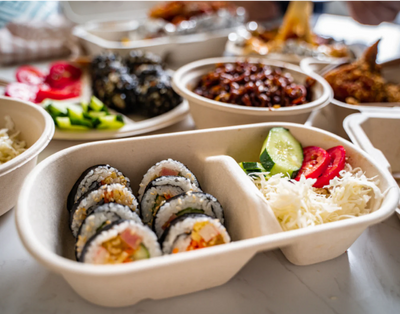
Using eco-friendly takeaway and dine-in solutions.

Local and responsible sourcing
The business case
Sustainability is becoming a deciding factor in booking decisions.
Travelers in 2026 are more sustainability-conscious than ever, making environmentally responsible operations a deciding factor in booking decisions. Guests expect visible sustainability practices and authentic eco efforts, not mere greenwashing. This shift is compelling the industry to embrace innovation, authenticity, and responsibility to maintain brand trust and long-term value.The Green Imperative: Sustainability as Standard
Sustainability has moved from a differentiator to a core expectation across all facets of hospitality. Key trends focus on minimizing environmental impact, appealing directly to the traveler seeking green travel 2026 options.
- Plastic-Free & Waste Reduction: Hotels are actively replacing single-use toiletries and packaging with refillable dispensers and biodegradable alternatives, moving toward true plastic-free hotel solutions. Circular economy practices are being adopted, which involves refurbishing or donating furniture and linens instead of discarding them during renovations.
- Eco-Conscious Operations: Properties are integrating renewable energy sources like solar panels and geothermal systems to lower carbon footprints. Energy management systems, such as IHG’s Green Engage, report significant reductions in energy consumption. Furthermore, hotels are adopting water-saving technologies, including smart water monitoring and greywater recycling systems, and are switching to drought-resistant landscaping.
- Sustainable Design: New construction and renovations focus on eco-conscious materials, such as reclaimed wood and bamboo, alongside design strategies that maximize natural light and ventilation.
Intentional Wellness and F&B
The focus on health and wellness is expanding, influencing hotel design, recreation, and food services. Dining experiences are now viewed as signature attractions that celebrate local flavors and cultural stories.
- Mindful Consumption: Conscious choices around health and sustainability are driving demand for transparent sourcing, low-waste operations, and plant-forward menu options. This includes the growth of sustainable F&B offerings through local and responsible sourcing.
- Dietary Shifts: Diners are prioritizing quality, craft, and transparency, leading to an acceleration of the shift toward smaller portions and more curated, circular menus that minimize waste. There is a growing demand for 'real' natural ingredients, with fibre-rich whole foods like pulses and legumes gaining popularity over ultra-processed foods.
- Intentional Beverages: Alcohol moderation is mainstream, with low-ABV (alcohol-by-volume) drinks and sophisticated mocktails growing year over year, a trend sometimes known as "zebra-striping," where guests alternate between alcoholic and non-alcoholic drinks.
The Technology-Driven Guest Experience
Technology in 2026 serves the dual purpose of enhancing guest experiences and reducing operational strain.
- Hyper-Personalization: AI is becoming central to service delivery, using predictive data to tailor recommendations—from dining choices to room preferences—and ensuring faster, 24/7 responses to guest requests.
- Contactless & Smart Spaces: Contactless technology is the new standard, covering mobile check-ins, digital key access, and payments. Smart Room Automation, utilizing IoT-enabled rooms with voice control, allows guests to effortlessly adjust lighting and temperature while also improving energy efficiency by optimizing power use when rooms are vacant.
Authentic Connection and Experiential Travel
Travelers want to connect with local culture, community, and nature in meaningful ways. This trend strengthens guest connection and destination identity.
- Experiential Focus: Hotels are developing activities that offer deeper immersion, such as community-based tourism, guided explorations, and cultural programs like local craft sessions.
- Community and Social Anchors: Restaurants and hotel spaces are reclaiming their role as social anchors, fostering connection through communal tables and shareable dishes, making it easier for guests to spontaneously gather.