
What “plastic-free catering” actually involves
- No plastic straws, cups, or cutlery
- No styrofoam packaging
- Reduced or eliminated single-use plastics
Key materials to consider
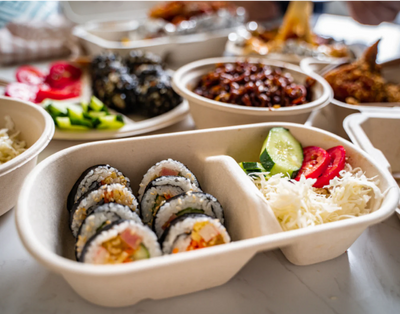
- Bagasse containers for food
- Paper or PLA cups for beverages
- Compostable straws
Planning considerations
Supply reliability
Work with suppliers who can handle bulk orders.
Guest experience
Ensure materials are functional and durable.
Waste management
Coordinate with venues for proper disposal systems.
Why it matters
Sustainable events are no longer niche—they are becoming the standard.
The Essential Guide to Plastic-Free Catering in 2026: What Every Event Planner Must Know
Keywords: plastic-free event catering, compostable straws wholesale, sustainable event supplies 2026, zero waste conference ideas
Event planners globally are facing an undeniable shift: delivering sustainable experiences is no longer a niche trend—it's fast becoming the standard. As environmental responsibility moves to the forefront of corporate and personal values, the demand for plastic-free event catering solutions is accelerating. In 2026, this commitment will define leading events.Defining Plastic-Free Catering

Going "plastic-free" is more than just eliminating plastic water bottles. It's a comprehensive approach to waste reduction across the entire food and beverage service. Key components include:
- Elimination of Single-Use Plastics: This covers all conventional plastic straws, cups, cutlery, and stirrers.
- Styrofoam Ban: Strict avoidance of all forms of styrofoam packaging, which is non-biodegradable and a major pollutant.
- Reduced Packaging Footprint: A concerted effort to use minimal and environmentally benign materials for all food wrapping and service.
Key Sustainable Materials for 2026
The market for sustainable event supplies 2026 is mature, offering high-performance alternatives that do not compromise on guest experience. Event planners should prioritize the following materials:
- Bagasse Containers: Made from sugarcane pulp, these containers are sturdy, oil-resistant, and fully compostable, making them an excellent choice for hot or cold food service.
- Paper and PLA Cups: Traditional paper cups can be used for most beverages, while Polylactic Acid (PLA), a plant-based plastic alternative, offers a clear and durable option for cold drinks. Both should be certified compostable.
- Compostable Straws: The hunt for bulk, high-quality compostable straws wholesale suppliers is crucial. Options include paper, straw, or robust PLA materials that hold up well throughout an event.
Critical Planning Consideration
A seamless transition to a zero-waste event requires focused planning in three core areas:
- Supply Reliability and Bulk Orders: For large-scale events, securing a consistent supply chain is paramount. Work closely with established, reputable suppliers who can reliably handle the high volume and quality required for zero waste conference ideas. Inquire about certifications and ethical sourcing practices.
- Elevating the Guest Experience: Sustainable materials must be functional. Choose durable cutlery and leak-proof containers to ensure guests don't encounter issues that detract from the event. The goal is to make the sustainable option feel premium, not a compromise.

- Coordinated Waste Management: The most crucial final step is proper disposal. Coordinate meticulously with your venue and waste management partners. Clearly labeled, accessible bins for composting, recycling, and landfill are non-negotiable. Without a clear system, even the best compostable supplies will end up in a landfill, defeating the purpose.
By embracing these principles, event planners can successfully deliver memorable, high-quality events while meeting the growing demand for environmental stewardship and setting a new industry standard.