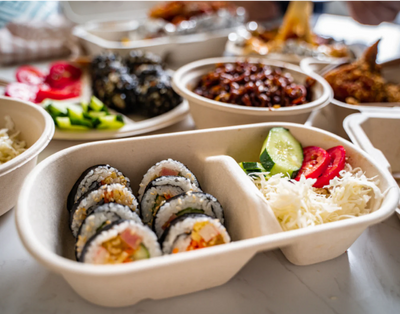

Spring festivals bring high sales—and high waste.
The challenge
- Increased takeaway orders
- High-volume packaging use
- Limited time for operations
Spring festivals, such as Lunar New Year (Tết) and other high-sales periods, bring a surge in consumption that unfortunately results in a massive increase in waste, including plastic gift wraps, disposable party supplies, and single-use beverage accessories. For food and beverage (F&B) brands, 2026 is a critical year. Regulatory pressure is intensifying globally and across Asia, making plastic reduction no longer an option, but a mandatory shift. Brands that prioritize sustainability during these high-visibility moments will not only comply with new regulations but also gain a significant competitive advantage and stand out to a growing base of eco-conscious consumers.The Urgent Challenge for F&B During Peak Seasons
The high-volume nature of festival periods amplifies operational challenges, making the switch to sustainable alternatives feel daunting.
- Increased Takeaway and Delivery Orders: Peak demand leads to a higher reliance on disposable packaging for quick service, catering, and delivery.
- High-Volume Packaging Use: The sheer quantity of cups, containers, and cutlery required leads to significant plastic waste, especially when considering single-use beverage accessories and foam food containers.
- Limited Time for Operations and Training: In a rush to meet demand, staff may default to familiar, often less sustainable, packaging, making consistent execution of new, eco-friendly systems difficult.
Global Policy and The ‘Plastic Ban 2026 Updates’
The regulatory environment is accelerating the need for change. The ongoing negotiations around the UN-led Global Plastics Treaty 2026 update signal a long-term market transformation. For F&B businesses in Asia, this means stronger enforcement around single-use plastics, with items like plastic straws, disposable cutlery, and multi-layer sachets under intense scrutiny.
Key policy developments businesses must monitor in 2026 include:
- Extended Producer Responsibility (EPR) Schemes: Mandatory EPR schemes may require producers and distributors to finance waste collection and recycling systems, shifting the financial burden of waste management.
- Stricter Single-Use Plastic Bans: Enforcement of existing bans, and the introduction of new ones, are expected to intensify, especially around non-recyclable food packaging. Proactive brands can reduce regulatory risk by switching early.
- Production Caps on Virgin Plastic: Global discussions are considering limits on new plastic production, which pushes market demand toward compostable and reusable alternatives.
Core Solutions: A Three-Pillar Strategy
Addressing this challenge requires a strategic, multi-pronged approach that focuses on operational efficiency and customer communication.1. Pre-Order and Streamline Sustainable Supplies
The fundamental solution is ensuring that sustainable festival supplies are available and easy to use during peak demand. This goes beyond simply sourcing a single eco-friendly item and focuses on a smarter packaging system.
- Transition to Compostable Alternatives: Compostable containers are moving into the mainstream, offering strength, heat resistance, and reliable structure, making them standard for takeaway meals. Plant-fiber and sugarcane-based options are durable and align with sustainability certifications.
- Secure Compostable Straws Bulk Asia Supply: The demand for alternatives like paper, plant-based, and sugarcane-based straws is high. Securing a compostable straws bulk Asia supplier is vital, as straws carry a strong visual and environmental message. These alternatives are made from renewable agricultural byproducts, reducing demand for fossil-based plastic.
- Simplify Packaging Formats: Businesses should reduce waste by choosing multi-use formats that can suit multiple menu items and ensure consistent sizing across containers. This minimizes over-ordering and packaging mismatches during busy service.
2. Master Eco-Friendly Takeaway Packaging
The quality and performance of eco-friendly takeaway packaging must not compromise food quality or speed of service. Fibre-based packaging, such as bowls and containers made from moulded fibre, is one of the fastest-growing trends in 2026.
- Matching Materials to Food Type: Operators must pair packaging materials correctly to menu items, ensuring the container can withstand moisture, grease, and heat.
- Prioritize Performance: Sustainable packaging is only effective when it performs reliably in real-world service. This includes using plastic-free lining options and ensuring lids and bases are correctly paired to control food temperature.
- Explore Reusable Systems: For dine-in or local takeaway, promoting customer use of reusable containers or offering brand-owned reusable systems can significantly reduce the plastic footprint. This behavioral shift has been successfully introduced in markets like Singapore.
3. Leverage Sustainability for Communication and Brand Value
Sustainability initiatives are no longer just about compliance; they are a powerful selling point and a major marketing opportunity.
- Highlight Your Efforts: Clearly communicate your transition away from single-use plastic, especially during high-visibility holidays.
- Update Sustainability Messaging: Consumers actively search for terms like “Eco-friendly café,” “Zero waste restaurant Asia,” and “Plastic-free café near me”. Optimizing your website and product pages with these keywords enhances brand visibility and trust.
- Train Staff as Advocates: Staff should be trained on the eco-friendly messaging so they can confidently explain the change to customers, as industry experience shows guests come to embrace the change when the reasons are clearly communicated.
The Opportunity: Future-Proofing Your Brand
The spirit of renewal during festivals like Lunar New Year aligns perfectly with the goal of starting the year responsibly by reducing plastic waste. By acting proactively, F&B brands can achieve compliance, secure strong B2B partnerships, and enhance brand trust. The shift away from single-use plastic is accelerating, and adapting now is not only about meeting customer expectations but about future-proofing your business in a rapidly evolving, sustainability-driven market.